

Hey there! As a supplier of cross-linked films, I often get asked about the mechanical strength limits of these amazing products. So, I thought I'd take a moment to share some insights on this topic.
Cross-linked films are pretty cool. They're made through a process that links polymer chains together, which gives them some unique properties compared to regular films. One of the most important aspects we look at is their mechanical strength, which includes things like tensile strength, tear resistance, and puncture resistance.
Let's start with tensile strength. This is basically how much pulling force a film can handle before it breaks. Cross-linked films usually have a higher tensile strength than non - cross-linked ones. The cross-linking process creates a more organized and stronger structure within the film. When you pull on a cross-linked film, the linked polymer chains work together to distribute the force. This means that it can withstand a greater amount of tension without snapping.
For example, in applications where you need to wrap heavy or bulky items, a high - tensile - strength cross-linked film is a must. Our Cross-Linked Shrink Film is a great option for this. It can tightly wrap products and hold up under the stress of transportation and storage. You can shrink it around items, and it'll maintain its shape and integrity, thanks to its excellent tensile strength.
Tear resistance is another crucial factor. A film with good tear resistance won't easily rip when it's subjected to sharp edges or sudden impacts. Cross-linked films have an advantage here because the cross-links prevent tears from spreading quickly. When a tear starts in a cross-linked film, the linked chains act as barriers, making it harder for the tear to propagate.
Take our Anti-fog Cross Film as an example. In environments where there might be moisture or where the film comes into contact with rough surfaces, tear resistance is key. This film can be used in food packaging, where it needs to protect the contents from damage and also resist tearing when being handled.
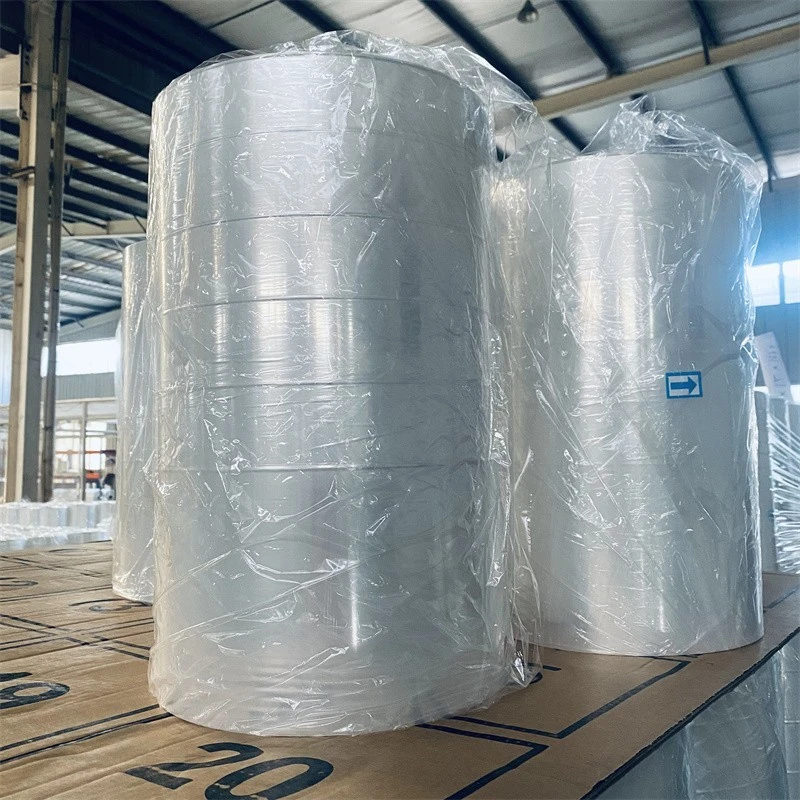

Puncture resistance is also important, especially in applications where the film might come into contact with pointed objects. Cross-linked films tend to be more puncture - resistant because of their strong molecular structure. The cross-links make the film more rigid and less likely to be penetrated by sharp items. Our Ordinary Cross-linked Membrane is often used in industrial settings where there's a risk of punctures. It can protect equipment and products from being damaged by small, sharp objects.
However, it's important to note that cross-linked films do have their limits. The mechanical strength of these films depends on several factors. The degree of cross-linking is a major one. If the cross-linking is too low, the film might not have the desired strength. On the other hand, if it's over - cross-linked, the film can become brittle and lose some of its flexibility.
The type of polymer used also matters. Different polymers have different inherent properties, and these can affect the final strength of the cross-linked film. For example, some polymers are naturally more flexible, while others are more rigid. The manufacturing process can also impact the mechanical strength. Factors like temperature, pressure, and the presence of additives during the cross-linking process can all change the film's properties.
In real - world applications, understanding these limits is crucial. For instance, if you're using a cross-linked film for outdoor applications, you need to consider environmental factors. UV radiation can break down the cross-links over time, reducing the film's mechanical strength. Moisture can also have an impact, especially on films that are not designed to be water - resistant.
So, how do you determine if a cross-linked film is suitable for your specific application? You need to think about the type of stress the film will be under. If it's mainly going to be pulled, you focus on tensile strength. If there's a risk of tearing or puncturing, then tear and puncture resistance are your priorities. You also need to consider the environmental conditions.
As a supplier, I'm always here to help you choose the right cross-linked film for your needs. I can provide samples so you can test them in your actual application. This way, you can see firsthand how the film performs under the specific conditions you're dealing with.
If you're in the market for cross-linked films and want to learn more about our products or discuss your requirements, don't hesitate to reach out. Whether you need a film with high tensile strength for heavy - duty packaging or a tear - resistant film for food wrapping, we've got you covered. Let's have a chat and find the perfect solution for your business.
References
- Polymer Science and Technology textbooks
- Industry research papers on cross-linked films
So, come on and start the conversation about your cross-linked film needs. I'm looking forward to working with you!