

Hey there! As a supplier of Printing Cross-linked Film, I've been getting a ton of questions lately about the best ink for printing on these films. So, I thought I'd share some insights based on my experience in the industry.
First off, let's talk about what cross-linked film is. It's a type of film that has been chemically treated to enhance its properties. Compared to Ordinary Cross-linked Membrane, cross-linked film offers better strength, durability, and heat resistance. And Cross-Linked Shrink Film is even more specialized, often used for packaging applications where a tight fit and high transparency are required.
Now, when it comes to choosing the best ink for printing on cross-linked film, there are several factors to consider.
Adhesion
One of the most important factors is adhesion. The ink needs to stick well to the surface of the cross-linked film. Cross-linked films have a unique surface chemistry, and not all inks are compatible. Some inks may bead up or peel off over time, which is obviously not ideal.
Solvent-based inks are a popular choice for cross-linked film printing because they tend to have good adhesion. The solvents in these inks can penetrate the surface of the film slightly, creating a strong bond. But they also have some drawbacks. Solvent-based inks can emit volatile organic compounds (VOCs), which are harmful to the environment and human health. So, if you're concerned about sustainability and safety, you might want to look into other options.
UV-curable inks are another great option. These inks are cured using ultraviolet light, which causes a chemical reaction that makes the ink harden and adhere to the film. They offer excellent adhesion, high print quality, and fast curing times. Plus, they don't emit VOCs, making them a more environmentally friendly choice.
Print Quality
Of course, print quality is also crucial. You want your prints to look sharp, vibrant, and long-lasting. The type of ink you choose can have a big impact on the final print quality.
Pigment-based inks are known for their excellent color saturation and lightfastness. Pigments are tiny particles that are suspended in the ink, and they provide rich, vivid colors that don't fade easily. They're a great choice if you need to print high-quality images or graphics on cross-linked film.
Dye-based inks, on the other hand, are more suitable for printing text and simple designs. They offer good color reproduction, but they're not as lightfast as pigment-based inks. So, if your prints will be exposed to sunlight or other sources of light for long periods of time, pigment-based inks are probably a better option.
Durability
Cross-linked films are often used in applications where the prints need to withstand harsh conditions. For example, if you're printing labels for food packaging, the prints need to resist moisture, heat, and abrasion.
Ink durability is closely related to adhesion and the type of ink used. As mentioned earlier, UV-curable inks and solvent-based inks generally offer good durability. They can withstand a certain amount of wear and tear without losing their print quality.
Some inks also come with special additives that can enhance their durability. For example, there are inks that are formulated to be resistant to chemicals, water, or heat. These inks can be a great choice if you need your prints to last in challenging environments.
Cost
Cost is always a consideration when choosing an ink. Solvent-based inks are usually less expensive than UV-curable inks, but you also need to factor in the cost of ventilation systems and other safety measures to deal with the VOC emissions.
UV-curable inks may have a higher upfront cost, but they can save you money in the long run. They have faster curing times, which means you can increase your production speed and reduce labor costs. And because they don't emit VOCs, you may also avoid some environmental regulations and associated costs.
Compatibility with Printing Equipment
Finally, you need to make sure the ink you choose is compatible with your printing equipment. Different printing processes, such as flexography, gravure, or digital printing, require different types of inks.
Flexographic printing is a common method for cross-linked film printing. It uses a flexible printing plate to transfer the ink onto the film. For flexographic printing, you'll need inks that are specifically formulated for this process. These inks need to have the right viscosity and drying properties to work properly with the flexographic printing press.
Gravure printing is another option. It uses engraved cylinders to transfer the ink onto the film. Gravure inks also need to be formulated to meet the specific requirements of this printing process.
Digital printing is becoming increasingly popular for cross-linked film printing. It offers greater flexibility and the ability to print variable data. There are different types of digital inks available, such as aqueous inks, solvent inks, and UV-curable inks. You'll need to choose the ink that is compatible with your digital printing equipment.
Conclusion
So, what's the best ink for printing cross-linked film? Well, it depends on your specific needs and preferences. If you're looking for good adhesion, print quality, and durability, UV-curable inks are a great choice. They're also more environmentally friendly. But if cost is your main concern, solvent-based inks may be a better option, as long as you can deal with the VOC emissions.

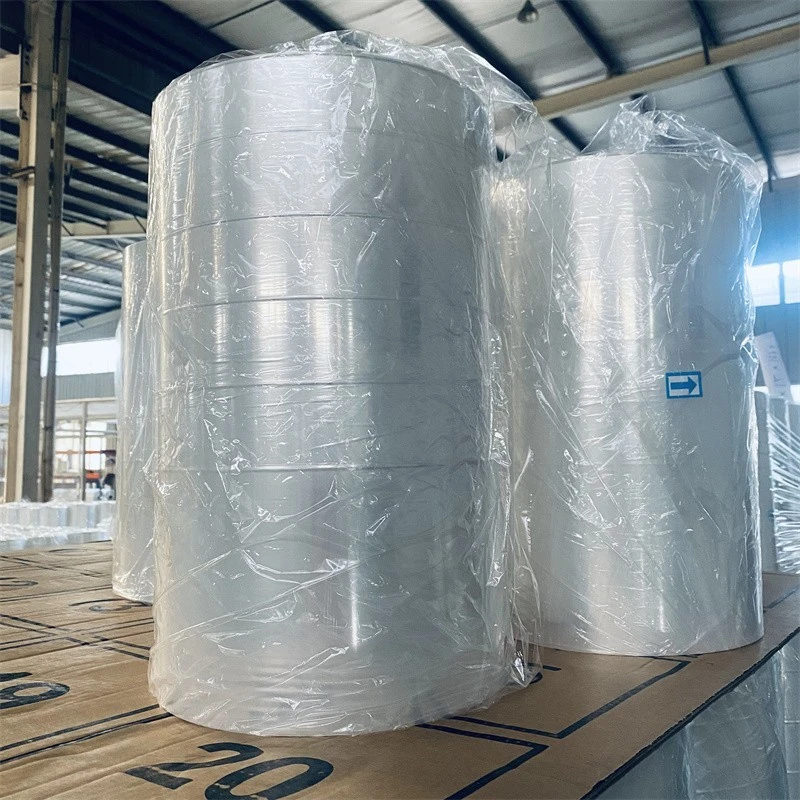
As a supplier of Printing Cross-linked Film, I'm here to help you find the right ink for your printing needs. If you have any questions or need more information, feel free to reach out. We can work together to find the best solution for your business. Whether you're printing labels, packaging, or other products, we've got you covered.
If you're interested in purchasing our cross-linked films or need more details about ink compatibility, don't hesitate to contact us for a procurement discussion. We're looking forward to working with you!
References
- "Ink Technology for Flexible Packaging" by Printing Industries of America
- "UV-Curable Inks: Principles and Applications" by RadTech International
- "Solvent-Based Inks: Properties and Performance" by the National Association of Printing Ink Manufacturers