

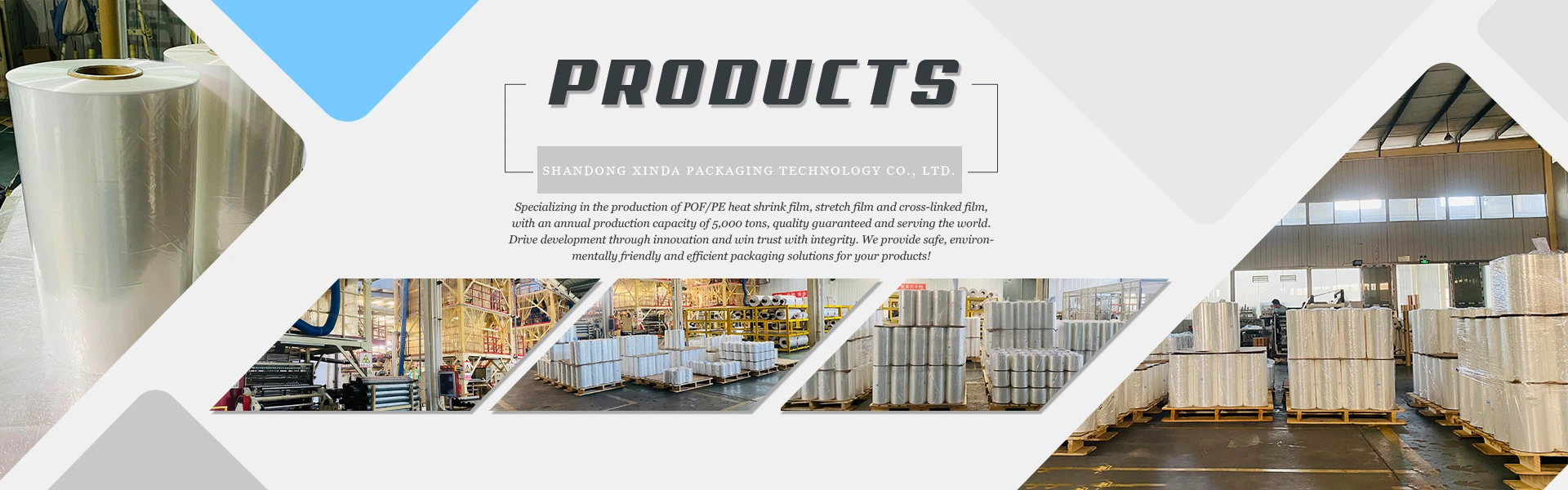
In modern logistics and packaging industries, stretch film has become an important material for protecting goods due to its excellent stretchability, puncture resistance and moisture resistance. However, there are many types of stretch film materials on the market, and how to choose the right material has become a focus of attention for companies. This article will explore the key factors for selecting stretch film materials from the aspects of material characteristics, application scenarios and environmental protection requirements.
Polyethylene (PE) material: mainstream choice
Polyethylene (PE) is the most common stretch film material on the market, which is divided into low-density polyethylene (LDPE), linear low-density polyethylene (LLDPE) and high-density polyethylene (HDPE). Among them, LLDPE has become the preferred choice of most companies due to its excellent tensile strength and toughness. It is suitable for packaging heavy goods, such as building materials, metal products, etc., and can effectively prevent loosening and breakage during transportation.
LDPE is more suitable for packaging lightweight items, such as food, daily necessities, etc., with better softness, but relatively low tensile strength. HDPE material has a higher hardness and is suitable for packaging scenarios that require higher rigidity, but has poor flexibility, which may affect the tightness of the package.
PVC material: application in specific scenarios
Polyvinyl chloride (PVC) wrapping film was once widely used due to its low cost, but its environmental performance is poor, and its stretchability and puncture resistance are not as good as PE material. In recent years, with the strengthening of environmental protection regulations, the use of PVC materials has gradually decreased, but in some special industries, such as electronic component packaging, there is still a certain market demand.
Environmental protection and recyclability: future trends
With the improvement of global environmental awareness, degradable and recyclable wrapping film materials have become the focus of industry attention. The research and development of bio-based PE and degradable plastics (such as PLA) provides new options for environmentally friendly packaging. This type of material can be decomposed in the natural environment, reducing pollution to the environment, meeting international environmental standards, and is especially suitable for export-oriented enterprises.
Conclusion
The material selection of wrapping film needs to comprehensively consider packaging needs, cargo characteristics and environmental protection requirements. PE material is still the mainstream of the market due to its excellent comprehensive performance, and the rise of environmentally friendly materials provides a new development direction for the industry. Enterprises should choose the most suitable wrapping film material according to their own needs to improve packaging efficiency and reduce long-term costs.


