

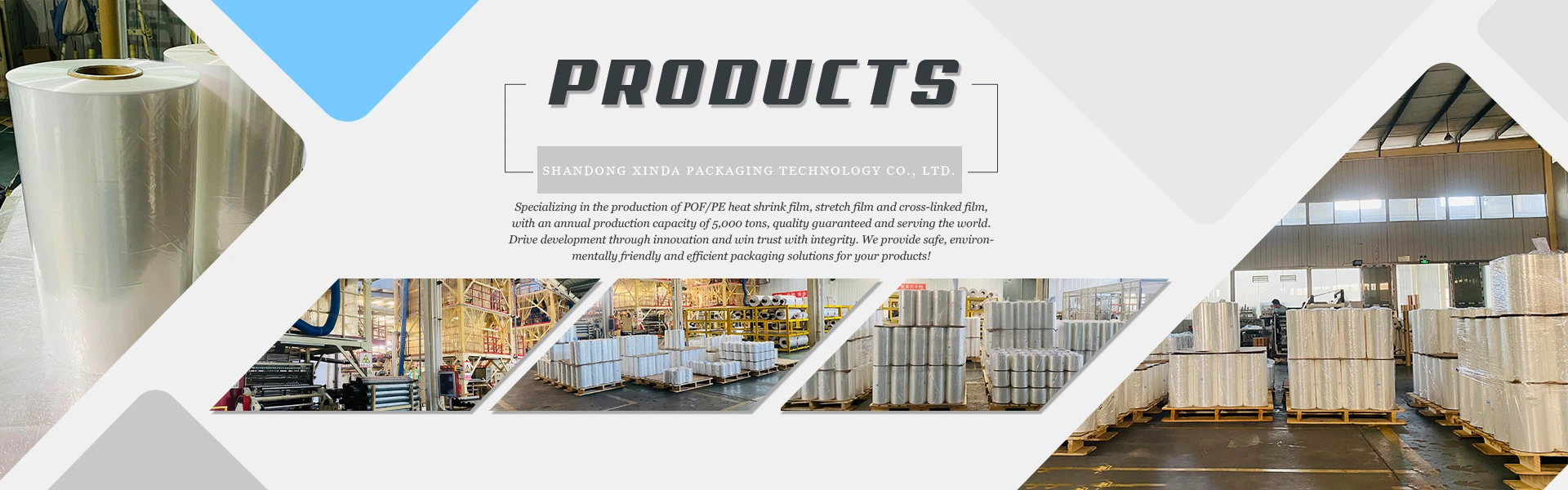
In the modern logistics and packaging industry, as a key packaging material, stretch film is playing an increasingly important role. Whether it is industrial product transportation or commercial retail packaging, stretch film can provide excellent protection to ensure the safety and integrity of goods during transportation and storage. However, how to choose a suitable stretch film solution is still a challenge faced by many companies. This article will explore the key applications and optimization solutions of stretch film to help foreign trade companies improve packaging efficiency and cost-effectiveness.
The core function of stretch film is to provide stable tensile strength and puncture resistance to meet the packaging needs of different goods. Traditional stretch film mostly uses PVC or PE materials, but with the improvement of environmental protection requirements, degradable stretch film has gradually become a new favorite in the market. This type of film not only meets international environmental standards, but also can be quickly decomposed in the natural environment to reduce pollution to the environment. For companies that focus on sustainable development, choosing environmentally friendly stretch film is an important measure to enhance the brand image.
In logistics transportation, the tensile properties of stretch film directly affect packaging costs and efficiency. Stretch film with a high stretch ratio can reduce material usage while ensuring that the goods are firmly wrapped to avoid loosening or damage during transportation. In addition, the application of pre-stretched wrapping film further optimizes the packaging process. Through mechanical pre-stretching technology, the film has been stretched to an ideal state before winding, which greatly reduces the intensity of manual operation and increases the packaging speed.
According to the needs of different industries, the wrapping film solution also needs to be flexibly adjusted. For example, the electronics industry has high requirements for electrostatic protection, so antistatic wrapping film becomes the first choice; the food industry pays more attention to the hygiene and preservation performance of the film. Multi-layer co-extrusion technology can effectively improve the barrier performance of the film and extend the shelf life of food. When choosing wrapping film, foreign trade companies need to comprehensively consider the characteristics of the goods, the transportation environment and the cost budget to formulate the best packaging solution.
In the future, with the advancement of materials science and automation technology, the performance of wrapping film will be further improved, and the application scenarios will be more extensive. Foreign trade companies should pay close attention to industry trends and choose efficient and environmentally friendly wrapping film solutions to enhance market competitiveness and achieve sustainable development.


