

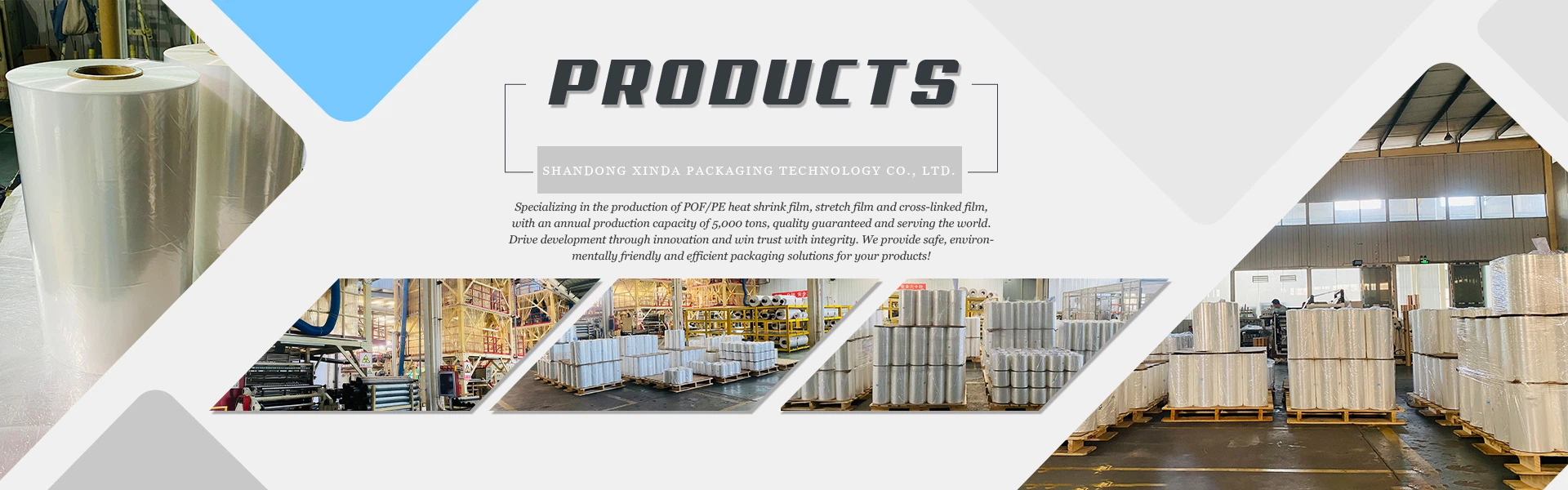
In the field of modern industrial materials, cross-linked film is widely used in packaging, electronics, medical and other industries due to its excellent heat resistance, mechanical strength and chemical stability. The production process of cross-linked film directly affects its performance. This article will introduce the main process flow of cross-linked film in detail to help industry practitioners better understand its manufacturing process.
Raw material preparation and mixing
The production of cross-linked film starts with the selection of raw materials. Commonly used raw materials include basic resins such as polyethylene (PE) and polypropylene (PP), as well as functional additives such as cross-linking agents (such as peroxides), antioxidants, and lubricants. These raw materials need to be mixed in a specific proportion to ensure the uniformity and stability of subsequent processing. The mixing process is usually carried out in a high-speed mixer, and the temperature is controlled within a certain range to avoid premature reaction of the raw materials.
Extrusion molding
The mixed raw materials enter the extruder and are melted and plasticized under high temperature and pressure. The extruder usually adopts a single-screw or twin-screw design. Through the rotation and shearing action of the screw, the raw materials are fully mixed and a uniform melt is formed. The melt is then extruded into a film through a T-die and enters the cooling roller for preliminary shaping. The key to this stage is to match the temperature control and extrusion speed to ensure uniform film thickness and smooth surface.
Cross-linking treatment
Cross-linking is the core step in the production of cross-linked films. The purpose is to form a three-dimensional network structure between polymer molecular chains through chemical or physical methods, thereby improving the heat resistance and mechanical properties of the film. Common cross-linking methods include:
Chemical cross-linking: Add peroxide cross-linking agent during the extrusion process, and the film undergoes a cross-linking reaction in the subsequent heat treatment.
Electron beam cross-linking: The film is irradiated with a high-energy electron beam to directly induce molecular chain cross-linking without the addition of chemical additives.
Silane cross-linking: Silane cross-linking agents are added during extrusion, and the film is cross-linked in the subsequent water vapor treatment.
Post-treatment and slitting
The cross-linked film needs to be cooled and shaped, and then surface treatment (such as corona treatment) may be performed to enhance printing or composite performance. Finally, the film is slit and rolled according to customer needs to form a finished product.
The production process of cross-linked film is complex, but through scientific process control, its performance can be ensured to be stable and meet the application needs of different industries. With the advancement of technology, the manufacturing process of cross-linked membranes is constantly being optimized and will play an important role in more fields in the future.


