

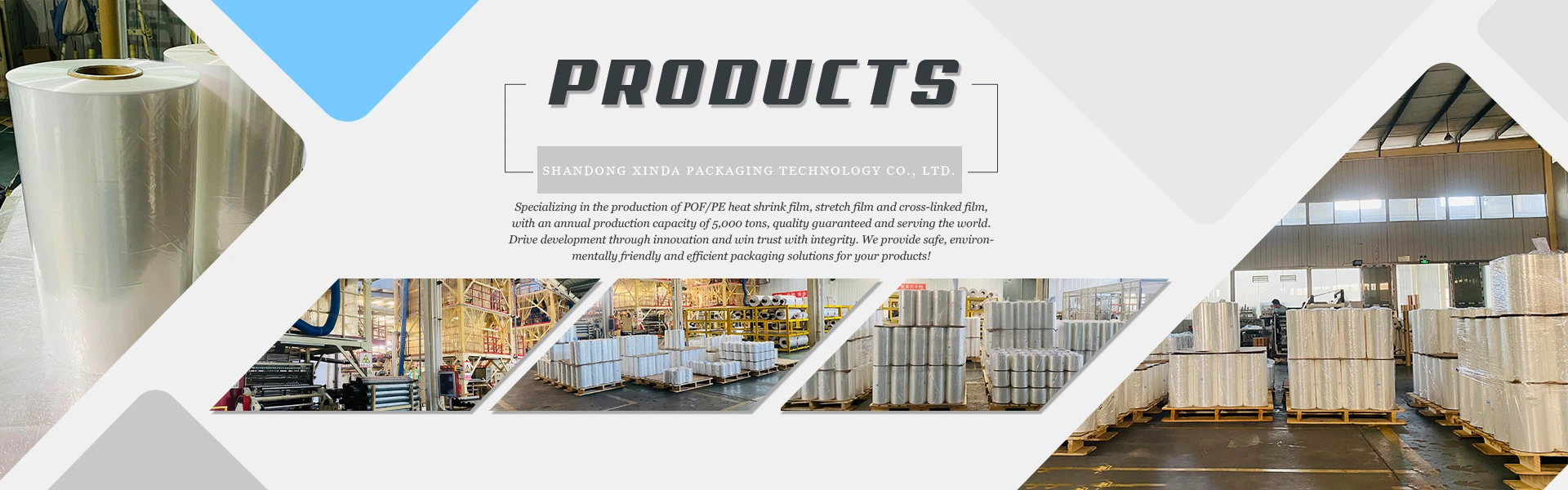
Stretch film is a polymer material widely used in logistics packaging. Its synthesis process directly affects the performance and market competitiveness of the product. With the improvement of environmental protection requirements and the diversification of packaging needs, the synthesis technology of stretch film is also constantly innovating. This article will comprehensively analyze the core synthesis method of stretch film from raw material selection, polymerization process to film forming technology.
Raw material selection: foundation determines performance
The main raw material of stretch film is polyethylene (PE). Depending on the purpose, low-density polyethylene (LDPE), linear low-density polyethylene (LLDPE) or high-density polyethylene (HDPE) can be selected. LDPE gives the film good flexibility and transparency, while LLDPE can significantly improve tensile strength and puncture resistance. In recent years, environmentally friendly metallocene polyethylene (mPE) has gradually become the preferred raw material for high-end stretch film due to its more uniform molecular structure and excellent processing performance. In addition, to meet specific needs, some products will add additives such as tackifiers, UV inhibitors or antioxidants.
Polymerization process: from monomer to polymer
The synthesis of polyethylene is mainly achieved through the polymerization reaction of ethylene. Common processes include high-pressure polymerization and low-pressure polymerization. High-pressure polymerization (such as tubular method or kettle method) is suitable for the production of LDPE. The reaction conditions are harsh and free radical polymerization is required under high temperature and high pressure. Low-pressure polymerization (such as gas phase method or solution method) is used to produce LLDPE and HDPE. Ziegler-Natta catalyst or metallocene catalyst is usually used. The reaction conditions are mild and the molecular weight distribution is controllable. Modern processes tend to use gas-phase fluidized bed technology to improve production efficiency and reduce energy consumption.
Film forming technology: the game between blow molding and cast film
The forming of wrapping film mainly depends on two processes: blow molding and cast film. The blow molding method blows the molten resin into a tubular film through an annular die head, and then cools, pulls and reels it. This method is low-cost and suitable for large-scale production, but the uniformity of film thickness is slightly inferior. The cast film method uses a flat die head to directly extrude the film, which is quickly shaped by a cooling roller. The finished product has a more uniform thickness and higher transparency, but the equipment investment is large. In recent years, multi-layer co-extrusion technology has become the mainstream. By superimposing resin layers with different properties, high strength, high transparency and good viscosity can be achieved at the same time.
Environmental protection trend: degradable and recyclable
With the tightening of global environmental regulations, the synthesis technology of stretch film is moving towards degradability and easy recycling. The application of bio-based polyethylene (such as PE made from sugarcane ethanol) and degradable additives is gradually replacing traditional petrochemical raw materials. At the same time, reducing volatile organic compound (VOCs) emissions by optimizing the synthesis process has also become a focus of industry attention.
The synthesis technology of stretch film integrates the progress of multiple fields of polymer chemistry, materials engineering and environmental science. In the future, with the breakthrough of new catalysts and green processes, the performance and sustainability of stretch film will be further improved, providing more efficient solutions for the global packaging industry.


