

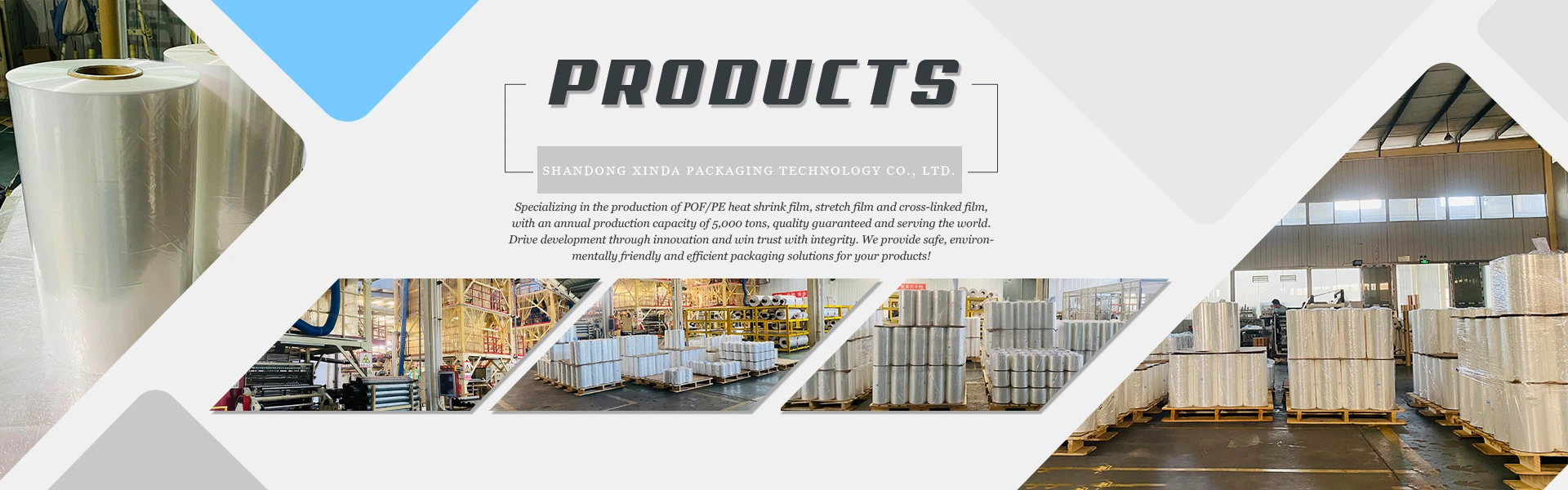
In recent years, as a high-performance material, cross-linked film has shown significant advantages in packaging, electronics, medical and industrial manufacturing. Its unique three-dimensional network structure gives the material stronger mechanical strength, heat resistance, chemical corrosion resistance and barrier properties, making it an important choice to replace traditional plastic films. With the tightening of environmental protection regulations and the improvement of material performance requirements in downstream industries, the cross-linked film market is ushering in a period of rapid growth.
Core advantages of cross-linked film
Cross-linked film connects polymer molecular chains into a network structure through chemical or physical methods, which significantly improves the comprehensive performance of the material. Compared with ordinary plastic films, the tensile strength and puncture resistance of cross-linked films are increased by more than 30%, and the temperature resistance range can be extended to -40℃ to 150℃, which is suitable for extreme environments. In terms of barrier properties, the barrier effect of cross-linked films on oxygen, water vapor and grease is increased by 50%-70%, greatly extending the shelf life of the package contents.
In addition, the recyclability and compatibility of cross-linked films with bio-based materials have become another highlight. Some cross-linked films use degradable polymers as the substrate. By optimizing the cross-linking process, the environmental burden is reduced while ensuring performance, which is in line with the trend of global sustainable development.
Continuous expansion of application areas
In the packaging industry, cross-linked films are widely used in protective packaging for food, medicines and high-end electronic products. Its excellent barrier and puncture resistance can effectively prevent the contents from oxidation, deterioration or moisture, and is especially suitable for medical consumables and precision electronic components that need to be stored for a long time.
In the industrial field, cross-linked films are used as battery separators, photovoltaic backplane protective layers and composite material reinforcement substrates. Taking lithium batteries as an example, the high heat resistance of cross-linked films can significantly improve battery safety and reduce the risk of thermal runaway. In the construction industry, cross-linked films are the core materials of waterproof membranes, and their weather resistance and anti-aging properties far exceed traditional asphalt-based products.
Technological innovation and market prospects
With the development of nanotechnology and blending modification processes, the new generation of cross-linked films is moving towards functionalization. By adding antibacterial agents, conductive fillers or infrared blocking components, the function of cross-linked films is no longer limited to basic protection, but extends to intelligence and multifunctionality.
Market research institutions predict that the global cross-linked membrane market will maintain an average annual growth rate of 8%-10% in the next five years. The Asia-Pacific region will become the fastest growing regional market due to its manufacturing concentration advantages and environmental protection policies. For companies seeking high-performance material solutions, cross-linked membranes are undoubtedly a strategic choice worthy of attention.


