

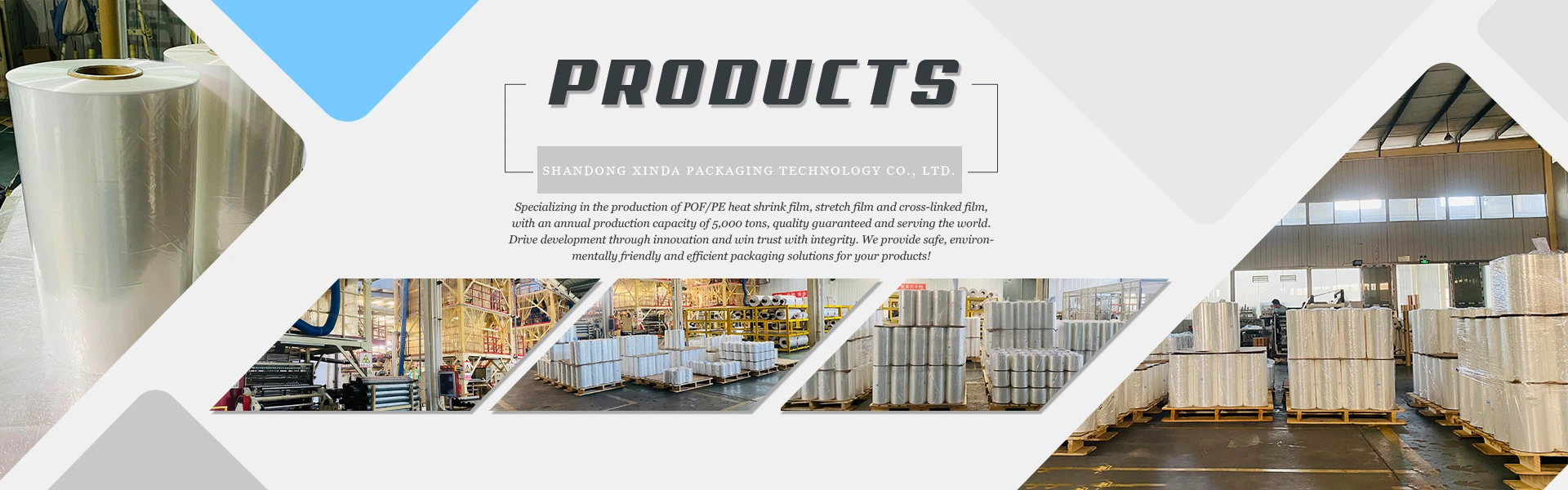
In the field of modern logistics and commodity packaging, shrink film is becoming an indispensable and important material. This flexible plastic film tightly wraps the product by heating and shrinking, providing protection, display and transportation convenience for the product. It is widely used in many industries such as food, beverages, electronic products, and daily necessities.
The core characteristic of shrink film lies in its heat shrinkage performance. When the film is heated, the molecular chains are rearranged, causing the film to shrink evenly and fit closely to the surface of the product. This property enables it to replace traditional packaging methods such as cartons or foam, significantly reducing the amount of packaging materials while improving packaging efficiency. Data shows that shrink film packaging can reduce packaging volume by about 30%, reduce transportation costs, and meet the current global trend of green environmental protection.
In terms of material type, shrink film is mainly divided into three categories: PVC, PE and PETG. PVC shrink film has long dominated the market due to its low cost and high shrinkage rate, but its environmental performance is poor and has gradually been replaced by more sustainable materials. PE shrink film is flexible and suitable for packaging of irregularly shaped products, while PETG shrink film has become the first choice in the high-end market with its high transparency and environmental protection characteristics. In recent years, the research and development of bio-based and degradable shrink films has also made breakthroughs, providing a new direction for the sustainable development of the industry.
In the application scenario, shrink film is not only used for commodity outer packaging, but also widely used in beverage bottle labels, pallet collective packaging and other fields. Its high transparency can clearly show the appearance of the product and enhance consumers' desire to buy; at the same time, the mechanical strength of the shrink film can effectively prevent collision and friction during transportation and extend the shelf life of the product.
With the vigorous development of e-commerce, the demand for shrink film market continues to grow. According to industry reports, the global shrink film market size will maintain an average annual growth rate of more than 5% in the next five years. Technological innovation is a key factor in promoting the development of the industry. For example, co-extrusion technology improves film performance, and digital printing realizes personalized packaging needs.
In the future, the shrink film industry will face the dual challenges of stricter environmental regulations and increased consumer environmental awareness. Developing recyclable and degradable materials and optimizing production processes to reduce carbon emissions will become the core competitive advantage of enterprises. For companies seeking efficient and environmentally friendly packaging solutions, shrink film is undoubtedly an important choice worth exploring in depth.


