

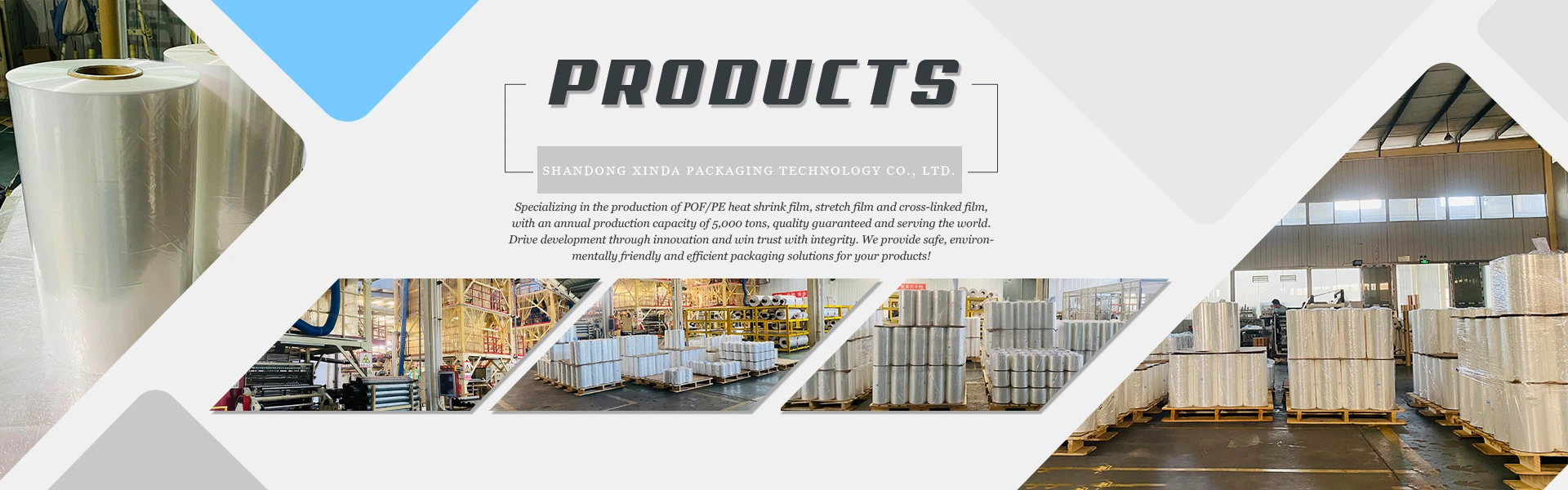
As a high-performance material, cross film is widely used in packaging, electronics, construction and other fields. Proper use of cross film can not only extend its service life, but also significantly improve product performance. This article will share some practical tips to help users better utilize the advantages of cross film.
1. Proper storage to avoid performance degradation
The storage environment of cross film has a significant impact on its performance. It is recommended to store cross film in a cool and dry environment, away from direct sunlight and high temperature. Excessive temperature may cause the material to soften or deform, while humid environment may cause mildew or oxidation. The ideal storage temperature is 15℃ to 25℃, and the humidity is controlled between 40% and 60%. In addition, cross film should be stored flat or rolled, and avoid folding or heavy pressure to avoid permanent creases.
2. Check the surface condition before use
Before using cross film, be sure to check its surface for scratches, stains or bubbles. Surface defects may affect the quality of subsequent processing, such as printing, lamination or composite processes. If surface problems are found, the material should be replaced in time to avoid affecting production efficiency and finished product quality.
3. Reasonable control of processing temperature and pressure
The control of temperature and pressure is crucial during the heat sealing, lamination or printing process of cross film. Too high temperature may cause the material to melt or deform, while too low temperature may affect the bonding effect. It is recommended to adjust the equipment settings according to the parameters provided by the material supplier to ensure a stable processing process. At the same time, uniform pressure distribution can avoid the generation of bubbles or wrinkles and improve the consistency of the finished product.
4. Avoid excessive stretching
Cross film has a certain degree of ductility, but excessive stretching may cause the material to become thinner or break. During slitting, laminating or packaging, unnecessary stretching should be minimized. If cutting is required, it is recommended to use a sharp knife and keep the cutting direction consistent with the material texture to reduce the risk of burrs and tears.
5. Clean the equipment regularly
The cross film may come into contact with the surface of the equipment during processing, and residual glue, dust or grease may affect subsequent use. Regular cleaning of the equipment, especially the heat sealing roller, guide roller and printing parts, can avoid material contamination or adhesion problems. Use a special cleaner and soft cloth to wipe and avoid scratching the surface of the device.
With the above tips, users can use cross film more efficiently, reduce waste and improve product quality. Whether in the packaging industry or the electronics field, the correct use method can maximize the value of cross film.


