

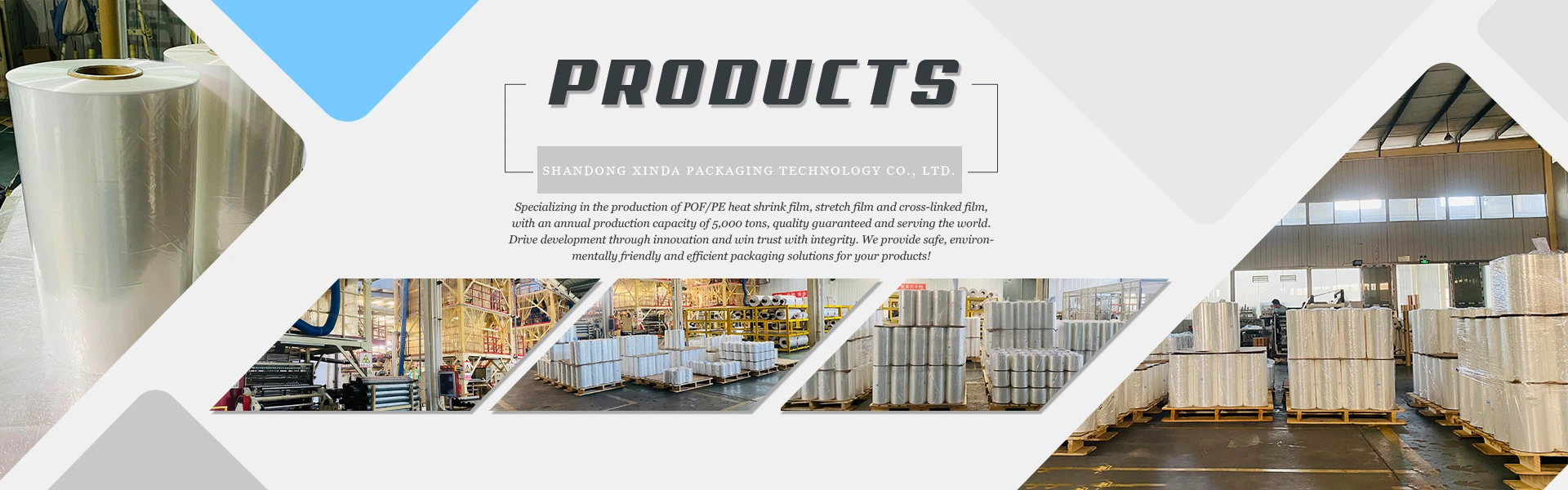
With the continuous growth of global demand for packaging materials, cross-linked membranes have become a high-value-added product that has attracted much attention in the foreign trade field due to their excellent physical properties and chemical stability. Its unique logistics properties not only optimize transportation efficiency, but also significantly reduce warehousing and distribution costs, providing reliable protection for transnational supply chains.
The core advantage of cross-linked membranes lies in the stability of their molecular structure. Through the chemical cross-linking process, the molecular chains of the membrane material form a three-dimensional network structure, which makes it more resistant to stretching, puncture and environmental changes. This property enables the cross-linked membrane to effectively resist extrusion, friction and temperature and humidity fluctuations during long-distance transportation, greatly reducing the risk of cargo damage. For example, during sea or land transportation, the goods packaged in cross-linked film can still maintain their intact shape even after weeks of bumps, avoiding contamination or failure of goods due to packaging damage.
From the perspective of logistics operations, the lightweight and high-strength characteristics of cross-linked membranes further improve the economic efficiency of transportation. Compared with traditional plastic films, the thickness of cross-linked films can be reduced by 20%-30% under the same protective effect, directly reducing the volume weight of a single piece of cargo, thereby reducing freight expenses. In addition, its weather resistance allows it to adapt to extreme environments in containers without an additional protective layer, simplifying the loading process and shortening port loading and unloading time.
In the warehousing stage, the moisture-proof and anti-oxidation properties of the cross-linked film significantly extend the shelf life of the goods. This feature is particularly important for industries with high dependence on foreign trade, such as food and medicine. Stable film material performance ensures that the goods are not eroded by the environment during long-term storage, reduces the risk of returns or claims due to deterioration, and provides support for foreign trade companies to establish stable international customer relationships.
At present, the global demand for sustainable packaging drives cross-linked film technology towards recyclable development. Some new cross-linked films are made of bio-based materials, which reduce carbon footprints while ensuring logistics performance, meet international environmental regulations, and help foreign trade companies cope with green trade barriers.
The logistics properties of cross-linked films make them a key material in the global supply chain. With technological iteration and cost optimization, its application prospects in the field of foreign trade will be broader, creating new growth opportunities for industry participants.


