

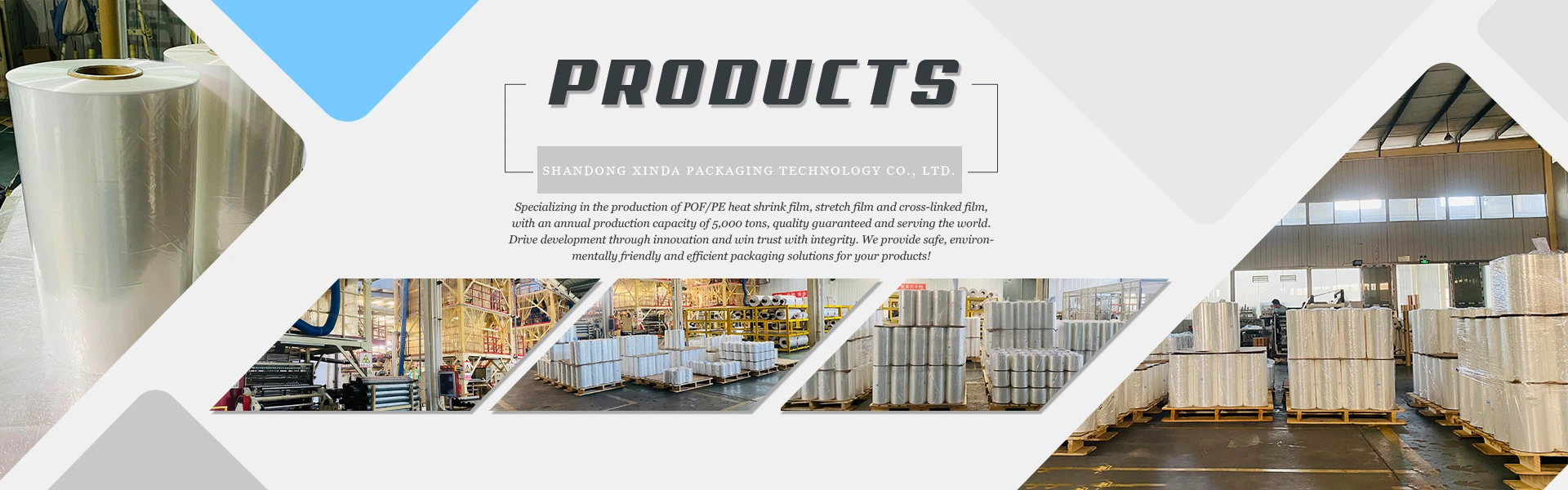
In recent years, with the rapid development of the global logistics and packaging industries, stretch film, as an efficient and economical packaging material, is gradually becoming an important role in industrial production and commodity circulation. Its excellent tensile resistance, moisture resistance and environmental protection properties make it widely used in many fields. This article will explore the development status and future direction of the stretch film industry from the two aspects of technological innovation and market trends.
Technological innovation promotes performance improvement
The core advantage of stretch film lies in its high strength and flexibility, and the progress of materials science in recent years has further improved its performance. Traditional polyethylene (PE) stretch film has gradually developed towards high-performance copolymers. For example, linear low-density polyethylene (LLDPE) produced by adding metallocene catalysts significantly improves the tensile strength and puncture resistance of the film. In addition, the introduction of nanotechnology has also brought new possibilities for stretch film, such as enhancing the barrier properties of the film through nanofillers, making it more competitive in fields with high packaging requirements such as food and medicine.
The environmental protection trend has also profoundly affected the technological development of stretch film. The research and development of degradable materials and bio-based stretch films has become a hot topic in the industry. Such products can be decomposed in the natural environment, reduce plastic pollution, and meet the requirements of global sustainable development. Some companies have launched fully recyclable stretch film solutions, further promoting the popularization of green packaging.
Market demand and application expansion
From the perspective of market demand, the expansion of e-commerce and manufacturing has directly driven the growth of stretch film usage. In the logistics link, stretch film is widely used for pallet fixing and cargo protection, and its high cost performance makes it the first choice to replace traditional packaging tape. At the same time, in the fields of construction, agriculture and consumer goods, the application scenarios of stretch film are also expanding. For example, agricultural stretch film can be used for greenhouse covering and fruit and vegetable preservation, while industrial-grade stretch film is suitable for packaging and transportation of heavy equipment.
In the future, with the popularization of automated packaging equipment, higher requirements are placed on the thickness uniformity and tensile properties of stretch film. The industry predicts that high-performance, customized stretch film will become the mainstream of the market, and intelligent packaging solutions will also become a new growth point.
The stretch film industry is at a critical stage of technological upgrading and market expansion. Through material innovation and application expansion, this traditional packaging material is gaining new vitality, providing reliable support for the efficient operation of the global supply chain.


