

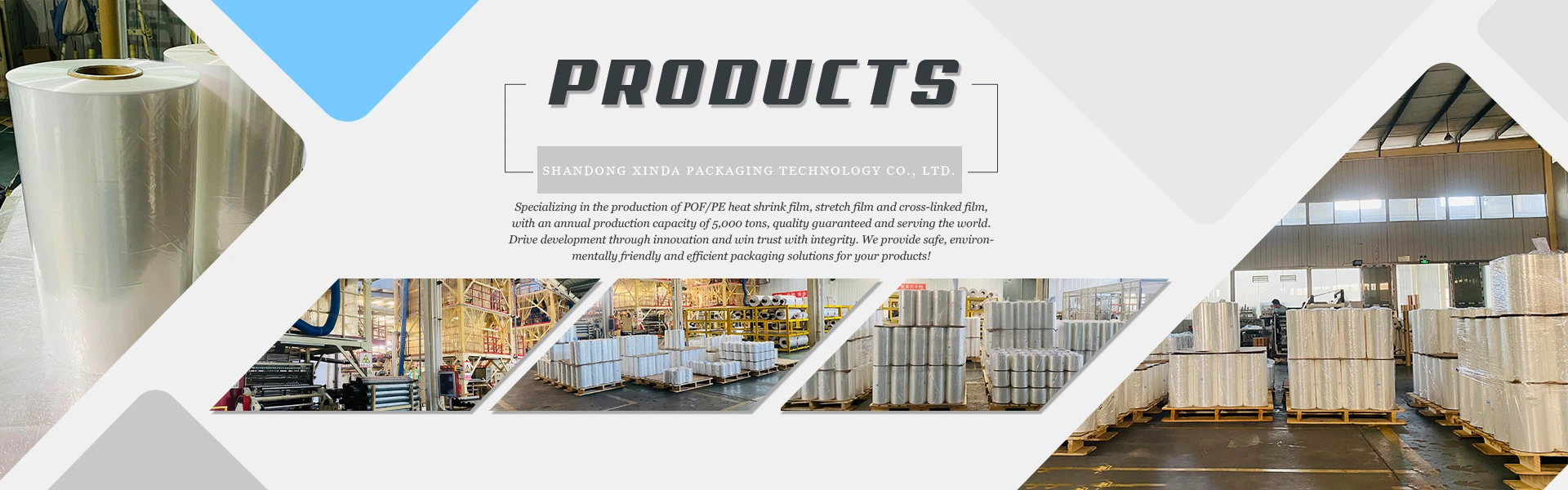
In recent years, as a high-performance material, cross-linked film has shown wide application potential in packaging, electronics, medical and other fields. Its unique physical and chemical properties, such as high temperature resistance, chemical corrosion resistance and excellent mechanical strength, make it the key to upgrading materials in many industries. This article will combine industry experience to explore the technical characteristics, application scenarios and future development trends of cross-linked films.
Core technical characteristics of cross-linked films
Cross-linked films form a three-dimensional network structure between polymer molecular chains through chemical or physical methods, thereby significantly improving the comprehensive performance of the material. Compared with ordinary films, cross-linked films have higher thermal stability and can maintain stable performance under high temperature environments, which is suitable for application scenarios that need to withstand extreme conditions. In addition, its chemical corrosion resistance is also more prominent, and it can resist erosion by a variety of solvents and acid-base environments, extending its service life.
In terms of mechanical strength, the tensile strength and puncture resistance of cross-linked films are significantly better than those of traditional films, which makes it popular in packaging and industrial applications that require high durability. At the same time, cross-linked films also have good barrier properties, which can effectively block the penetration of substances such as oxygen and water vapor, and improve the shelf life and safety of products.
Main application areas and industry experience
In the packaging industry, cross-linked films are widely used in the packaging of food, medicine and high-end consumer goods. Its excellent barrier properties and heat resistance make it an ideal choice for retort packaging and high-temperature sterilization packaging. For example, in the field of food packaging, cross-linked films can ensure that the product maintains integrity during high-temperature sterilization and avoid food safety issues caused by packaging damage.
In the electronics industry, cross-linked films are used in key components such as flexible circuit boards and battery packaging due to their excellent insulation and high-temperature resistance. As electronic products develop towards thinness and high performance, the demand for cross-linked films is also growing.
The medical field also benefits from the characteristics of cross-linked films. Its biocompatibility and chemical resistance make it an ideal material for products such as medical catheters and wound dressings, which can effectively improve the safety and reliability of medical equipment.
Future development trends
With the improvement of environmental protection requirements, the research and development of degradable cross-linked films has become an industry hotspot. By introducing bio-based materials or degradable polymers, cross-linked films can reduce the impact on the environment while maintaining high performance, which is in line with the trend of sustainable development.
In general, cross-linked membranes have shown broad application prospects in multiple industries due to their excellent performance. In the future, with the continuous advancement of technology and changes in market demand, cross-linked membranes will play an important role in more fields.


