

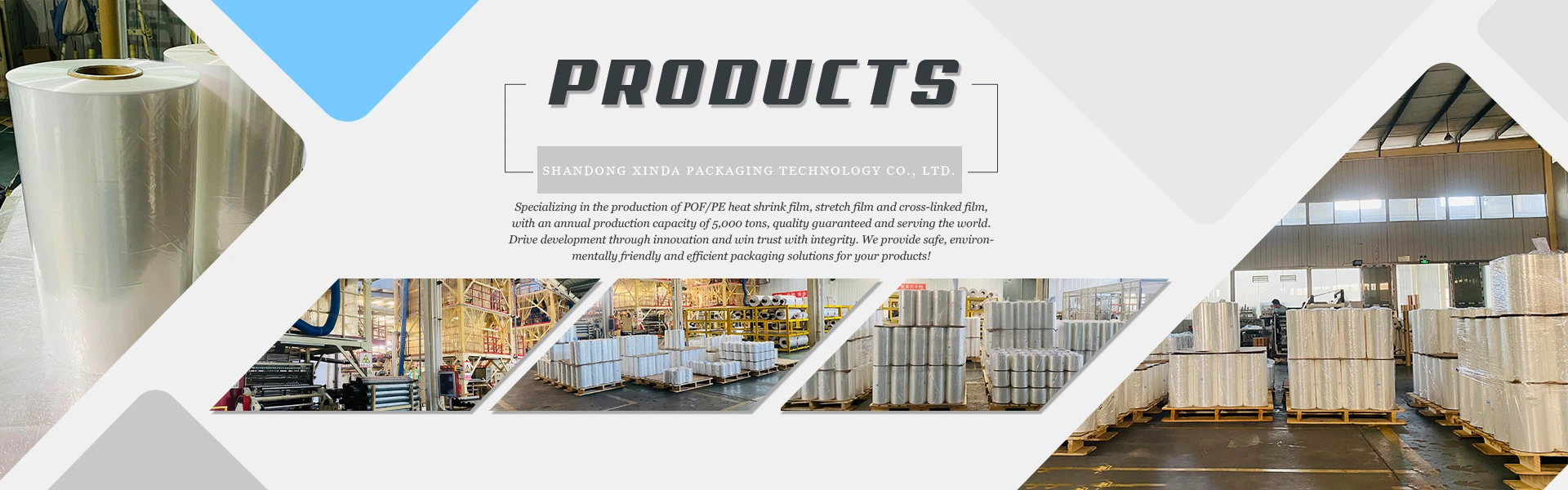
With the rapid development of the global logistics and retail industries, the choice of packaging materials has become a key factor affecting the efficiency of commodity transportation, brand display and environmental performance. As an efficient and multifunctional packaging solution, shrink film is showing irreplaceable value in the field of foreign trade with its unique technical advantages and market adaptability.
From a functional perspective, the core advantage of shrink film lies in its excellent protective performance. Through heat shrink technology, the film can fit the surface of the product tightly to form a solid protective layer, which effectively prevents collision, friction and dust intrusion during transportation. Whether it is fragile glass products, precision electronic products, or irregularly shaped industrial components, shrink film can provide stable support and greatly reduce the damage rate. This feature makes it the preferred material for cross-border e-commerce and large-scale logistics distribution.
At the brand marketing level, the value of shrink film is also significant. Transparent or printed customized shrink film can not only clearly display the appearance of the product, but also convey brand information through colorful patterns and text. For export companies, the role of this "silent salesman" is particularly prominent-it can quickly establish visual recognition in the terminal market and help products stand out from competing products. According to statistics, the shelf appeal of goods packaged with high-quality shrink film increases by more than 30% on average, which directly affects consumers' purchasing decisions.
The deepening of environmental protection trends has further promoted the technological innovation of shrink film. The current mainstream PVC and PE shrink films have gradually transformed into degradable materials, and some companies have developed bio-based shrink films that meet international environmental standards. This type of new material can reduce carbon emissions by 40% while maintaining its original performance, perfectly meeting the stringent requirements of the European and American markets for green packaging. By adopting such solutions, foreign trade companies can not only avoid environmental protection regulations, but also enhance the brand's social responsibility image.
From an economic analysis, the large-scale application of shrink film significantly reduces packaging costs. Compared with traditional cartons or foam packaging, its material consumption is reduced by about 25%, and it is compatible with automated packaging equipment, which greatly improves the efficiency of the production line. For companies that need to export frequently, this cost-reduction and efficiency-enhancing feature directly translates into a more competitive quotation space.
In the context of supply chain globalization, the multi-scenario applicability and technical iteration capabilities of shrink film make it an important link between the production end and the consumer end. Whether it is protecting product safety, strengthening brand value, or responding to environmental protection trends, this seemingly simple material is creating more sustainable growth momentum for the foreign trade industry through continuous innovation.


